
Case Study: Successful Drone Deployments in Security Operations


Introduction to Drone Technology in Security
The integration of drone technology in security operations has revolutionized how surveillance and monitoring are conducted. Drones offer a unique combination of mobility, flexibility, and real-time data collection, making them invaluable tools for enhancing security measures. As organizations seek to strengthen their security protocols, the deployment of drones has become increasingly prevalent.
Benefits of Drones in Security Operations
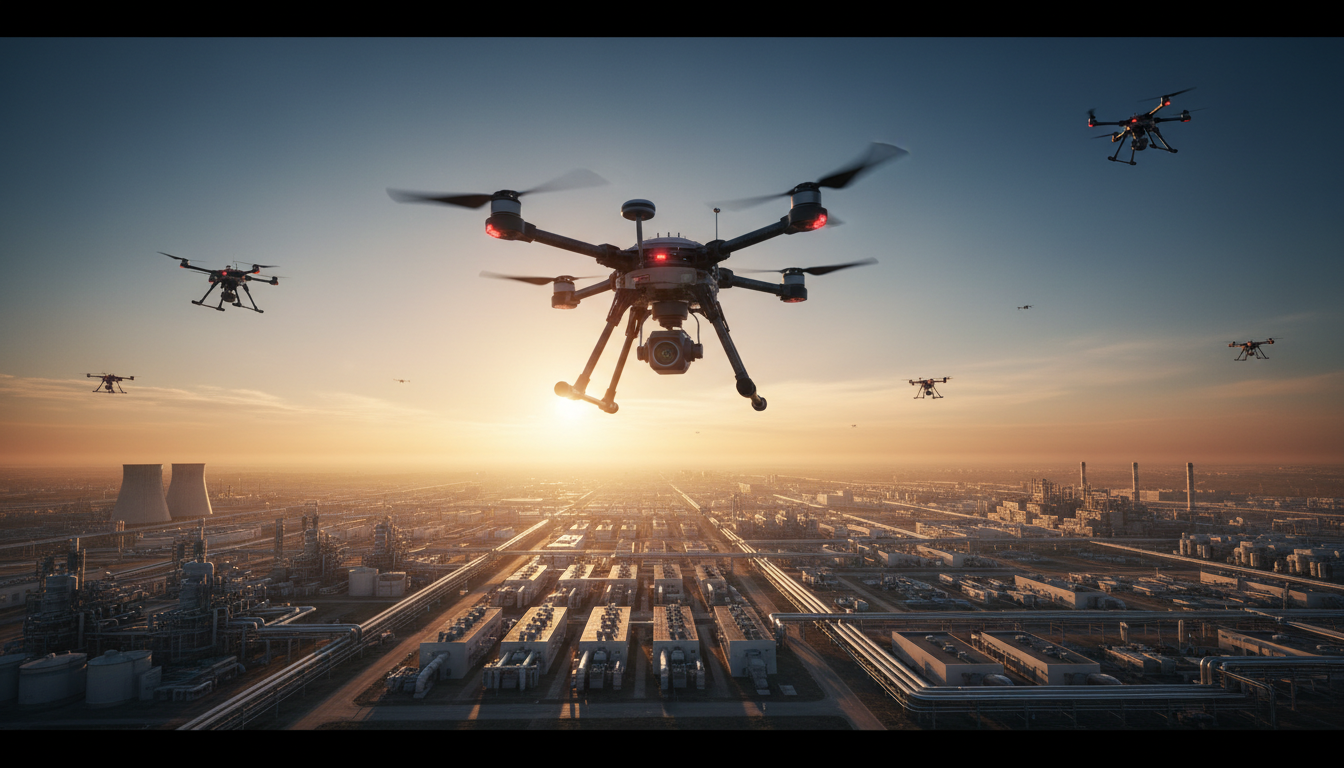
One of the primary benefits of using drones in security is their ability to provide a bird’s-eye view of large areas. This capability allows for comprehensive monitoring of sites that are difficult to access or too vast to cover with traditional security measures. Additionally, drones are equipped with advanced cameras and sensors that can capture high-resolution images and thermal data, offering enhanced situational awareness.
An important advantage is the cost-effectiveness of drone deployments compared to traditional security methods. Drones reduce the need for extensive manpower and expensive infrastructure, providing a scalable solution that can be adjusted according to the specific needs of a security operation.

Case Study: Industrial Site Surveillance
In an industrial site scenario, drones have been successfully used to monitor perimeters and secure critical infrastructure. One case study highlights the deployment of drones equipped with infrared cameras to detect unauthorized access attempts during the night. The drones provided real-time alerts, allowing security personnel to respond swiftly to potential threats.
The use of drones in this context not only enhanced security but also significantly reduced the number of false alarms, which are common with traditional sensor-based systems. This efficiency in operations demonstrates the potential of drones to revolutionize security measures in industrial environments.

Case Study: Urban Surveillance
In urban environments, drones have been deployed for crowd monitoring during large public events. A notable example includes a city that utilized drones to oversee its annual marathon. The drones provided live footage to a central command center, enabling quick identification of any disturbances or emergencies.
This approach not only ensured the safety of participants and spectators but also aided in the efficient management of traffic and crowd control. The agility of drones allowed for rapid deployment and repositioning, showcasing their adaptability in dynamic urban settings.

Challenges and Solutions
While the benefits of drones in security are clear, there are challenges that need to be addressed. One such challenge is the regulatory framework governing drone operations. Compliance with local and national regulations is essential to ensure legal and safe usage of drones.
Another challenge is the potential for privacy concerns. To mitigate this, organizations must implement strict data protection policies and ensure transparency with the public regarding the scope and purpose of drone surveillance. By addressing these challenges, the deployment of drones can be conducted responsibly and effectively.
The Future of Drones in Security
As technology continues to evolve, the role of drones in security operations is expected to expand. Innovations such as AI and machine learning are being integrated into drone systems, enabling more sophisticated threat detection and autonomous decision-making.
The future of security operations will likely see drones becoming standard tools, complementing traditional security measures and providing comprehensive coverage that was previously unattainable. With ongoing advancements, drones will continue to shape the landscape of security for years to come.