
Top 5 Impactful FPV Innovations You Should Know About


Introduction to FPV Innovations
First Person View (FPV) technology has revolutionized various industries, from filmmaking to racing, and continues to evolve at a rapid pace. New innovations are constantly being introduced, enhancing the capabilities of FPV drones and making them more accessible and practical for users worldwide. Here, we explore the top five impactful FPV innovations that are shaping the future of this exciting field.
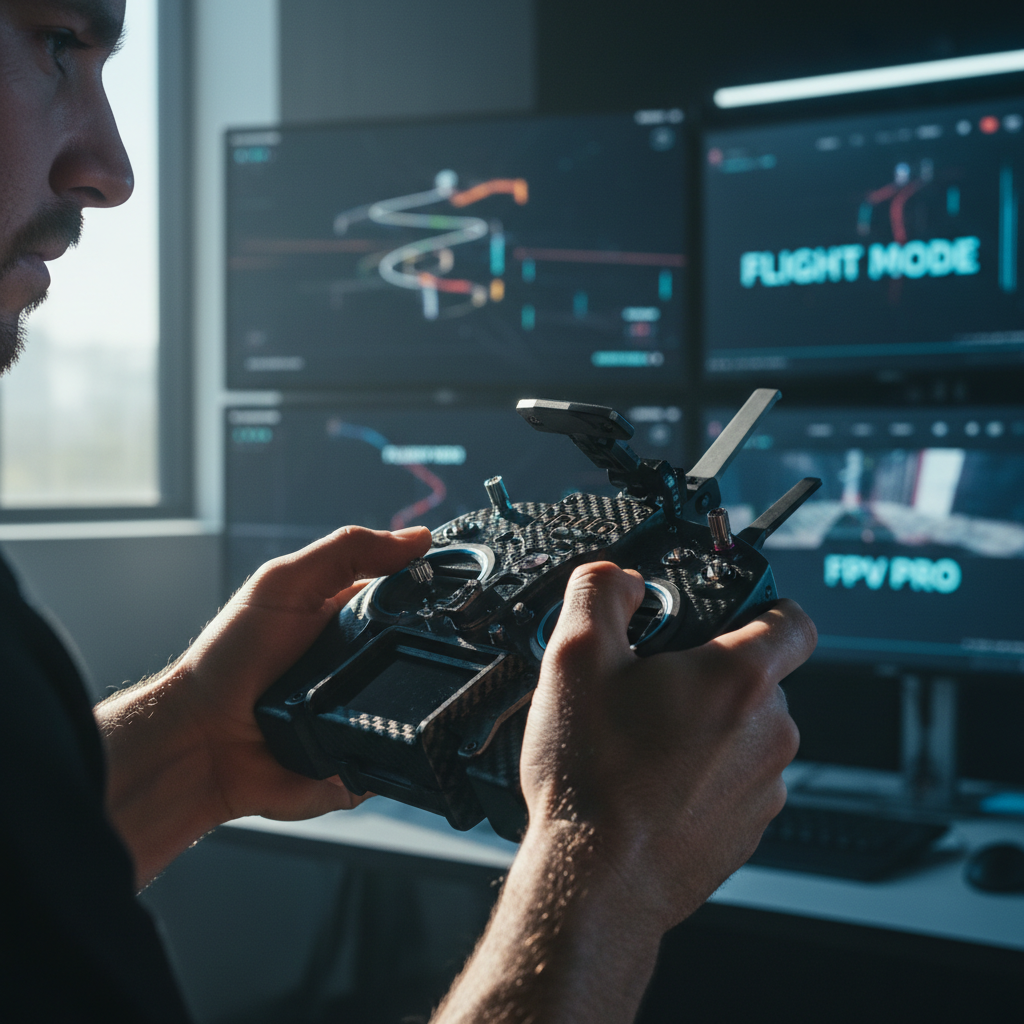
1. Advanced Camera Systems
One of the most significant advancements in FPV technology is the improvement in camera systems. Modern FPV cameras now offer high-resolution video capture with superior image stabilization. This ensures that the footage is not only clear but also steady, providing a much more immersive experience for viewers.
These cameras often feature wide-angle lenses, allowing pilots to capture more of the surroundings in a single frame. Additionally, low-light performance has been greatly enhanced, making it possible to capture stunning visuals even in dim conditions.
2. Enhanced Battery Life
Battery life has always been a limiting factor for FPV drones. However, recent innovations have led to more efficient power management systems and battery technologies. Lithium-polymer (LiPo) batteries are now lighter and offer longer flight times, enabling pilots to enjoy extended sessions without frequent interruptions.
This improvement not only benefits hobbyists but also professionals who rely on drones for tasks such as aerial photography and surveying. Longer battery life translates to increased productivity and more creative opportunities.
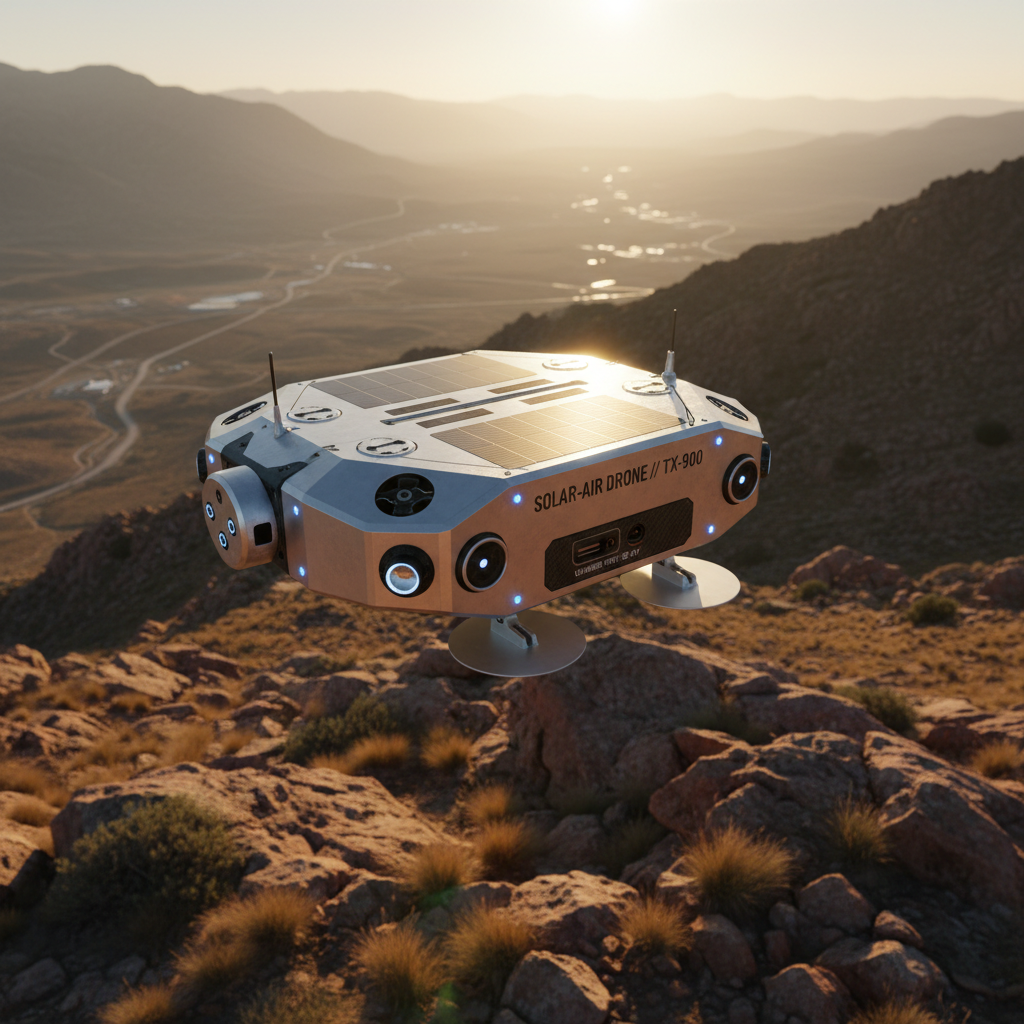
3. Improved Signal Range and Transmission
Advancements in signal transmission have significantly expanded the range and reliability of FPV drones. Modern systems now utilize digital transmission technologies, such as Wi-Fi and 5G, to provide stable connections over long distances. This innovation is crucial for applications that require precise control and real-time video feedback.
Improved signal range opens up new possibilities for exploration and mapping, allowing drones to venture further into remote areas without losing connection. It also enhances the safety and efficiency of drone operations in various sectors.
4. AI and Autonomous Flight
Artificial Intelligence (AI) is becoming increasingly integrated into FPV drone technology, offering features like obstacle detection and avoidance, automated flight paths, and intelligent tracking. These capabilities make drones smarter and easier to operate, reducing the learning curve for new users.
AI-driven features are particularly beneficial for professional use, where precision and reliability are paramount. Drones equipped with AI can perform complex tasks autonomously, freeing up operators to focus on creative aspects or mission-critical decisions.
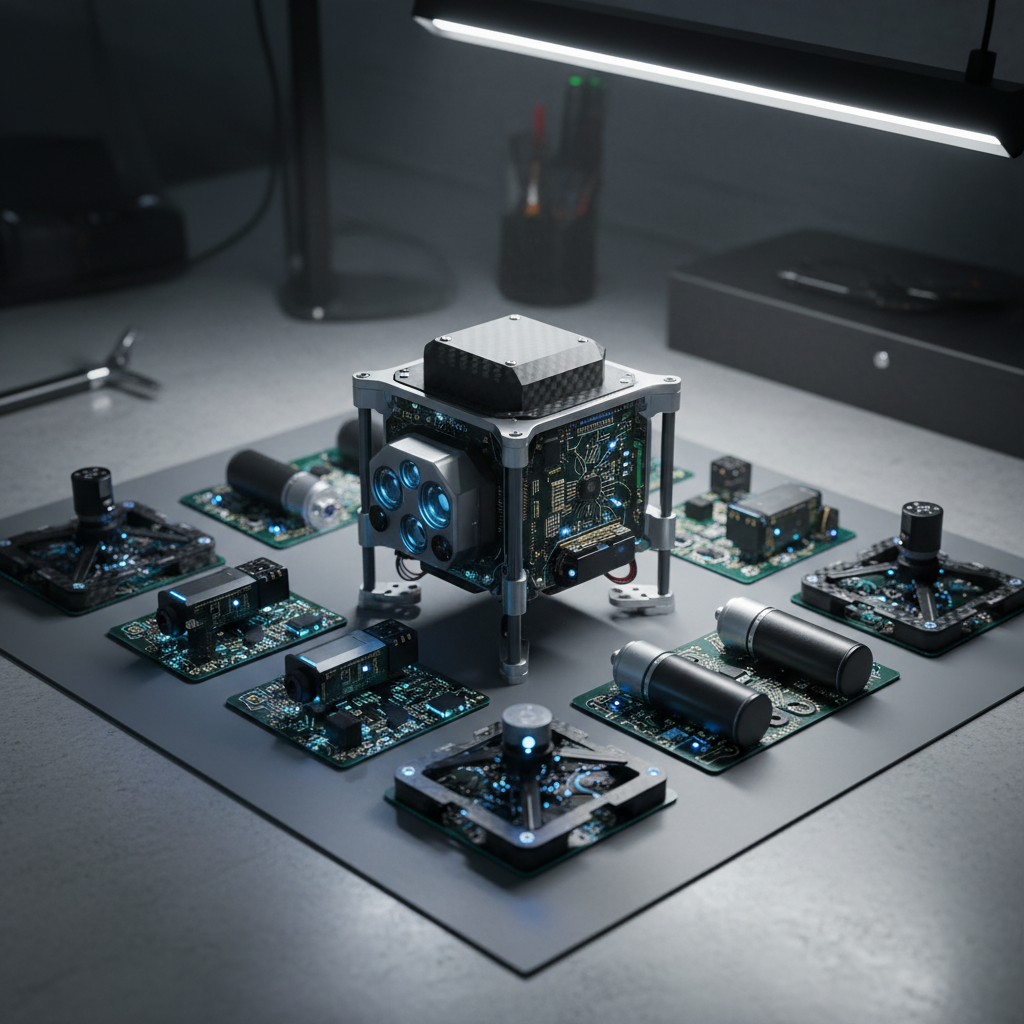
5. Modular and Customizable Designs
The evolution of modular and customizable drone designs has empowered users to tailor their FPV systems to specific needs. Many manufacturers now offer interchangeable parts, allowing pilots to upgrade or modify their drones easily. This flexibility is ideal for both beginners and seasoned enthusiasts looking to enhance their flying experience.
Customizable designs also encourage innovation within the community, as users experiment with different configurations and share their findings. This collaborative approach drives further advancements and inspires new applications for FPV technology.
Conclusion
The FPV industry is continuously evolving, with innovations that enhance performance, usability, and accessibility. From advanced camera systems to AI-driven capabilities, these developments are paving the way for a future where FPV technology is more integrated into our daily lives. As we look forward to what's next, these top five innovations are undoubtedly shaping the landscape of FPV drones.